
A naval failure in the Strait of Hormuz
Why can’t the world’s most powerful military secure the Strait against a country that has no navy?
Why can’t the world’s most powerful military secure the Strait against a country that has no navy?
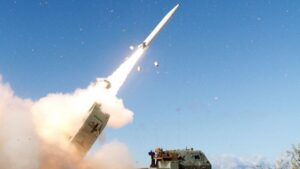
“We're making them put skin in the game … and we expect them to meet the ramp rates that they agree to. And, if they don't, there'll be penalties for them,” said Jules “Jay” Hurst, who is performing the duties of the Pentagon comptroller.


A decorated combat aviator and biotech CEO advocates preparing for novel viral threats before the next crisis.

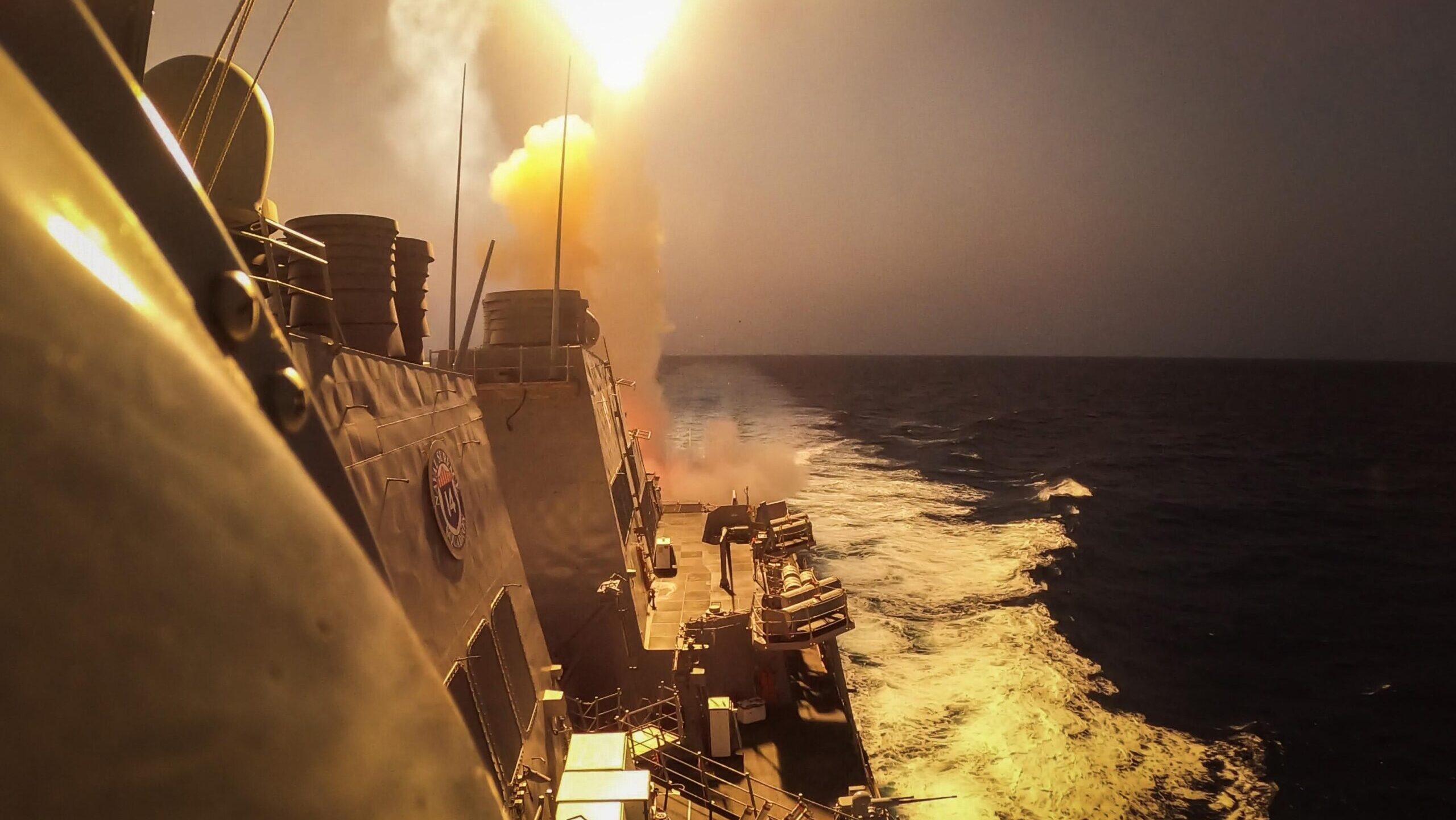
The demand for rocket motors for missiles is acute, with steps being taken to expand domestic production that includes more international cooperation.

In addition, South Korea will buy four new frigates and create a new air-to-air missile; all told, the three projects will represent roughly $4 billion in investments.

Rapidly delivered digitally advanced and intelligently supported solutions to the warfighter.

Boeing is embracing speed, agility and affordability to deliver the most digitally advanced, simply and efficiently produced, and intelligently supported products and capabilities to outpace the unprecedented threats and challenges of a fast-moving future battlespace.


Decentralized Embodied Collaborative intelligence enables better reconnaissance, logistics and combat capabilities.

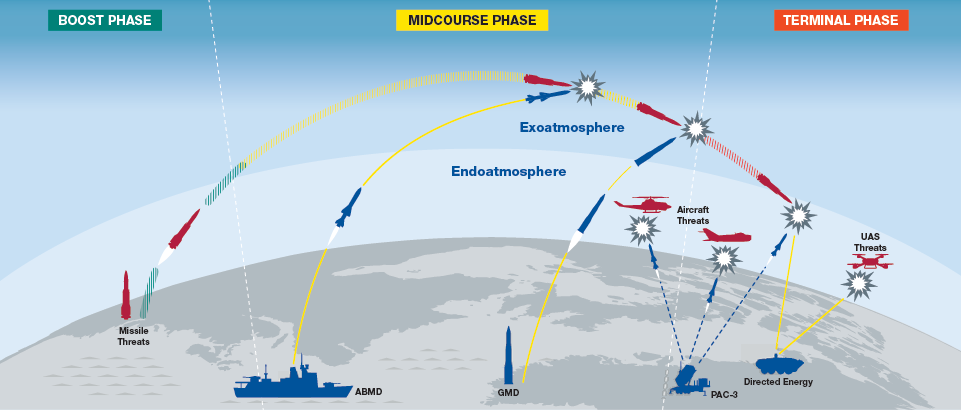
The GPI is being developed to knock down hypersonic missiles as they glide through the Earth's upper atmosphere at about 70 kilometers in altitude at speeds greater than Mach 5.

"We're gonna down-select ... later in the year. Then I have to worry about future budgets, and so that's what's really going to throttle" the number of contractors, says MDA Director Vice Adm. Jon Hill.

Raytheon Missiles & Defense draws on agile DevSecOps experience to keep the US Navy current.
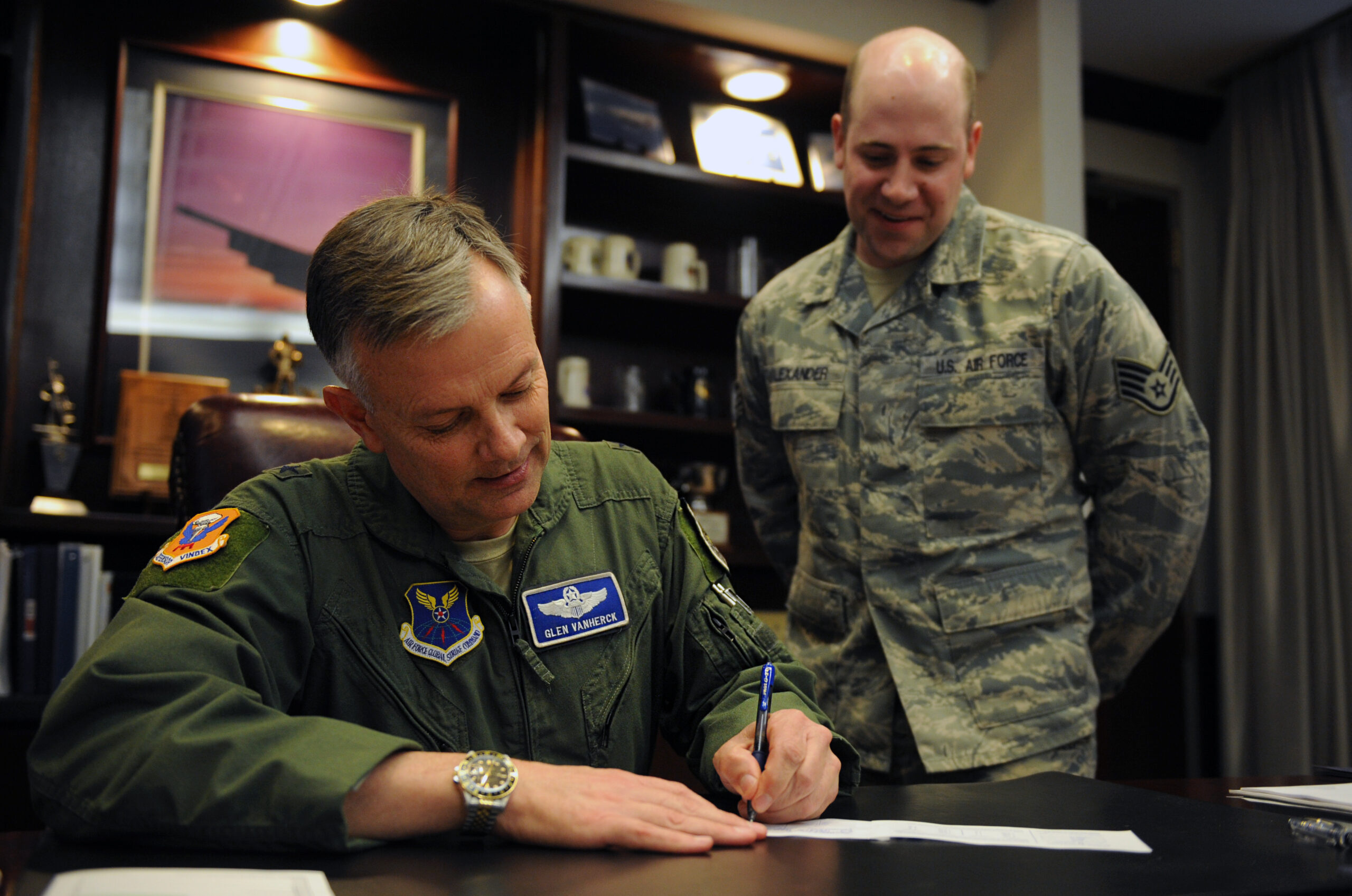
"I'm optimistic, based on my discussions with [MDA director] Jon Hill, that we'll potentially see the Next-Generation Interceptor move further left," Lt. Gen. Glen VanHerck told the Senate.

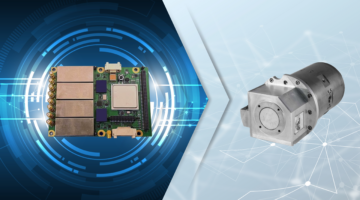
As threats continue to evolve, speed will increasingly depend on what is already available when the need emerges.
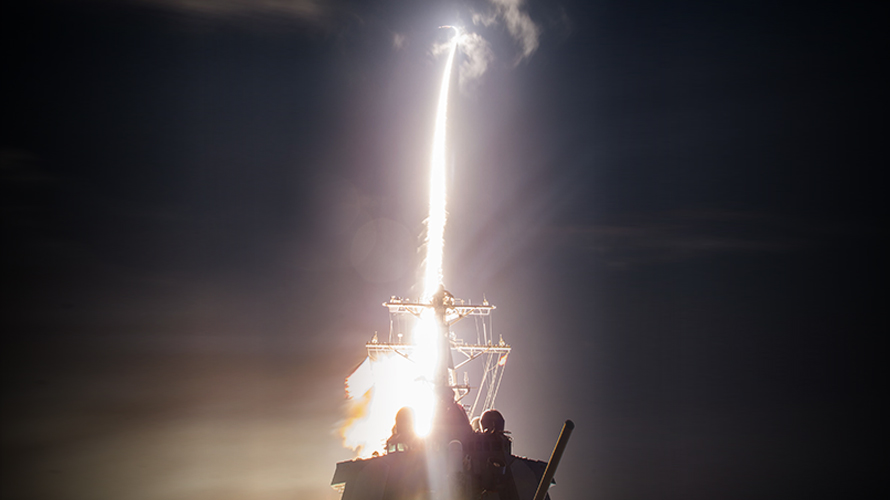
The joint venture on the SM-3 Block IIA interceptor between Raytheon and the Japanese defense industry could point the way for international defense cooperation in the future.

For the first time, the US plugged its high-altitude THAAD into the Israeli missile defense network -- just one of the ways the two countries are cooperating against Iran.

By 2021, plans call for Japan to have eight Aegis destroyers, four of them capable of launching the SM-3 Block IIA missiles, whose second successful test in a row comes as a vindication after two previous failures.

Despite increasing uncertainty over President Trump's surprise proposal to cut $33 billion from defense, the Pentagon's R&D chief says he’s confident more cash will be pumped into laser weapons and new space capabilities.